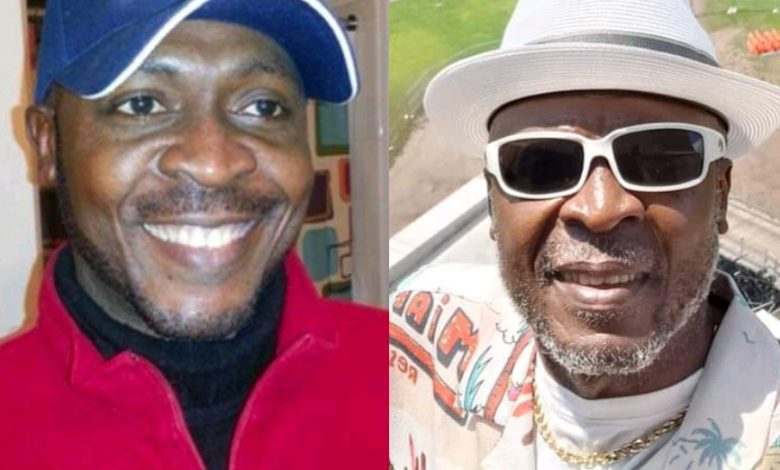
US-Based Imo Mental Health Expert, Casca Ohanele, Warns Nigerian Youth Against Dangers of Drug Abuse
By Anselem Anokwute
A United States-based Nigerian mental health expert, Comrade Casca Ohanele, has issued a passionate warning to Nigerian youths, particularly in Imo State, about the rising dangers of hard drug abuse.
Speaking from his base in the Delaware U.S., Ohanele, a certified psychotherapist and addiction specialist, emphasized the severe mental and societal consequences of substance abuse, including brain damage and long-term mental illness.
Ohanele, a former Nigerian journalist who now practices mental health care in the United States, highlighted that while the availability of hard drugs in the U.S. surpasses that in Nigeria, awareness and preventive education are far more effective abroad.
He blamed Nigeria’s growing drug crisis on systemic failures, including poor governance and rising unemployment, which leave many young people vulnerable.
“In the U.S., awareness is constant. The government takes addiction seriously. But in Nigeria, bad leadership and lack of opportunities drive young people into substance abuse as a form of escape,” he said.
The Imo-born professional also criticized the political system that encourages short-term gains over long-term values, lamenting how desperate politicians exploit vulnerable citizens with token handouts during elections.
“Many youths mortgage their future for peanuts during elections. This toxic cycle fuels the ‘Japa’ syndrome and weakens our political and economic progress,” Ohanele stated.
Drawing from his journalistic background—having served with the International Guardian in the U.S. and Trumpeta Newspaper in Owerri—Ohanele called on Nigerian journalists to rise to the challenge of nation-building through investigative and balanced reporting.
He decried recent threats to press freedom in Nigeria, urging the media to hold political leaders accountable despite the nation’s ongoing challenges.
“Press freedom is non-negotiable in a democracy. Journalists must stand tall, offer solutions, and expose wrongdoing,” he asserted.
As the 2027 general elections approach, Ohanele called for a shift in leadership selection, stressing the need to prioritize competence, mental stability, and genuine commitment to service.
“We must stop recycling the same crop of leaders. The youth—especially those with character, competence, and mental clarity—should be given a chance,” he added.
Ohanele recommended that mental health evaluations become part of the criteria for leadership selection to ensure leaders are fit for public service. As an expert in psychotherapy and addiction studies, he promised to offered his services to support mental health education and counseling in Imo and beyond to correct the wrong impression and make sure that the Youth are viable and sound to meet the desired experience in life against the wasteful abuse of drug.
He also weighed in on the contentious zoning arrangements in Imo politics, supporting the “Charter of Equity” that promotes fairness and rotation of power among the three senatorial zones: Orlu, Owerri, and Okigwe.
“The idea of zoning should not be seen as breeding mediocrity. It ensures equity. However, competence, integrity, and capacity must never be sacrificed,” he noted.
Ohanele appealed to political actors to rise above the “Pull Him Down” (PHD) syndrome and support leadership selection processes based on transparency, diligence, and merit.
In closing, he warned against political egos derailing Nigeria’s democratic gains and urged national figures like former Vice President Atiku Abubakar to prioritize the nation’s unity and development over personal ambitions.
“Any coalition to unseat poor leadership must be rooted in credibility and purpose, not personal vendettas,” he cautioned.
Ohanele emphasized that Imo’s future lies in pragmatic, humble, and God-fearing leadership, particularly as the state looks ahead to 2027.
“Owerri zone has capable hands who can sustain and build on Governor Uzodimma’s achievements. The time for strategic dialogue and visionary leadership is now,” he concluded.